
You finally booked the trip. The hotel is set. The itinerary is ready. But when you get to the airport and settle into your seat, do you have everything you need to actually enjoy the journey? Knowing the right things to bring on a plane — tucked into your personal item bag — can be the difference between a stressful flight and a smooth, comfortable one.
Your personal item is prime real estate. It goes under the seat in front of you, so it stays within arm’s reach the entire flight. Unlike your carry-on bag, which can quickly become a checked bag if the overhead bins are full, your personal item never leaves your side. That makes it the perfect home for your most important travel essentials.
This is My Tailored Escape’s carefully curated list of flight essentials we recommend to every traveler. Whether you’re a frequent flyer or gearing up for your first big trip, this guide gives you a strong starting point.
Start With the Essentials: Documents and ID
Before you pack anything else, sort your documents first. Bring your booking confirmations, reference numbers, receipts, travel vouchers, and any tickets or reservation details. Having accurate records on hand protects your investment. If an unexpected situation comes up at the airport or at the hotel, you can quickly reference your paperwork to resolve it. These records also come in handy if you need to file a travel insurance claim.
Next, your identification. You need a valid REAL ID or driver’s license for domestic travel within the United States. For international travel, a valid passport is required. No ID, no boarding. It really is that simple.
Here’s a smart layer of protection most travelers overlook. Consider keeping your ID and credit cards in an RFID-blocking wallet or RFID-blocking Passport holder. Scammers use handheld devices in crowded airports to quietly scan unprotected cards and passports. An RFID-blocking sleeve costs very little and takes up almost no space. That small step adds a meaningful layer of security.
When you book your trip with My Tailored Escape, all your travel documents are securely organized in a personalized app available both online and offline. No more digging through emails or frantic paper shuffling at the gate.
Medications: Always on Your Person
If you take prescription medications or over-the-counter essentials, keep them in your personal item bag at all times. Do not pack medications in your carry-on bag. The reason is simple: carry-on bags are the first to get gate-checked when overhead bins fill up. At times gate agents will request volunteers and other times it is mandatory…and absolutely never check medications in your luggage! Checked bags can get lost or delayed and you wouldn’t want jeopardize your health or well-being while abroad.
A compact pill organizer keeps things tidy and easy to find. We like this simple weekly organizer and this slim daily option for travel.
Bottom line: your medications travel with you, period.
Comfort Essentials for a Better Flight
Modern planes are getting smaller. Airlines continue to squeeze more seats into the cabin, which means more passengers, closer together, and more noise. Being prepared for that reality makes a big difference.
Noise-cancelling headphones or earbuds are one of the best investments a frequent traveler can make. They block out the hum of the engine, a neighbor’s conversation, and yes, the occasional fussy child a few rows back. Whether you prefer over-ear headphones or wireless earbuds, this is one carry on essential that earns its place every single flight.
A travel neck pillow and a light travel blanket also go a long way. Planes can get cool, especially on longer flights, and having your own small blanket or neck-support means you are not dependent on whatever the airline provides — or doesn’t.
Hand lotion and lip balm belong in your bag too. The air inside a plane cabin is recirculated and very dry. By the end of a long flight, your skin and lips will thank you for the extra moisture.
Stay Charged, Stay Connected
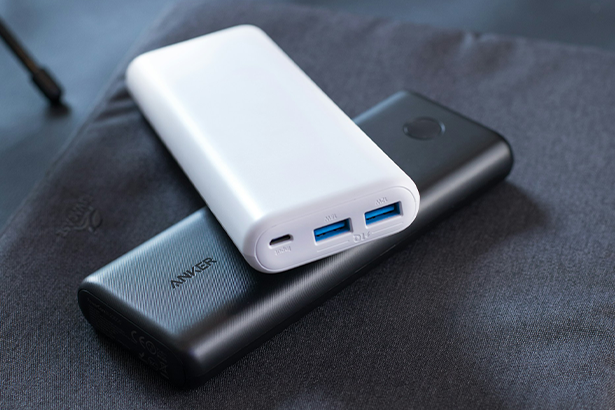
Not every seat on every plane has a working power outlet. On long travel days, you do not want to arrive at your destination with a dead phone. A portable charger or power bank is one of those travel packing tips you hear often and should actually follow. It gives you control over your own power supply without relying on airport kiosks or in-flight USB ports.
Speaking of those airport kiosks — there are growing reports of a scam called “juice jacking,” where public charging stations are tampered with to steal data from your device. Travel + Leisure has a helpful explainer on what juice jacking is and how to avoid it. Your own power bank eliminates that risk entirely.
Download your favorite movies, TV shows, playlists, or podcasts before you board too. Streaming apps like Netflix and Spotify allow offline downloads. Having entertainment loaded and ready means you are not dependent on the in-flight Wi-Fi, which can be spotty at best.
Traveling With Electronics: Pack Smart, Arrive Ready
If your trip calls for a laptop, tablet (like an iPad, Galaxy, or Surface Pro) , camera, or other sensitive electronics, those belong in your personal item too — not buried in your carry-on or checked bag. Your personal item stays under the seat in front of you the entire flight, which means your devices stay within reach and under your watch.
Beyond the devices themselves, think through everything they need. Charging cables, wall plugs, power adaptor, a power converter if you are traveling internationally, and any accessories like a stylus, lens cap, or memory cards should all be packed together. There is nothing worse than arriving at your destination and realizing the cable you need is sitting in your checked bag halfway across the airport.
One step many travelers skip is padding. Electronics shift during flight more than you might expect — from turbulence, from bags being loaded and unloaded, from other items settling around them. Use a padded laptop sleeve, a cushioned camera pouch, or even a few clothing items wrapped around your gear to absorb impact and keep everything protected. A small investment in the right protective sleeve now saves you the much bigger cost of a cracked screen or damaged lens later.
Keep all your electronics and their accessories organized together in one dedicated section of your personal item. That way, security screening is faster and you always know exactly where everything is.
The Small Things That Make a Big Difference
Some of the best carry on essentials are the ones most people forget until they wish they had them.
A pen. Yes, a simple pen. Many international flights still require customs or arrival forms to be filled out by hand before you land. A pen is also handy for signing documents, jotting notes, or writing down a gate change at a busy airport. It is one of the most underrated travel hacks out there.
Travel-sized tissues. The dry cabin air alone is reason enough to have them. But tissues also come in handy in a bathroom with an empty paper towel dispenser, or when a spill happens and you need a quick fix.
Individually wrapped sanitizing wipes. Give your seat area a quick wipe-down when you board. The headrest, armrests, seatbelt buckle, and tray table are all high-touch surfaces. A few seconds with a sanitizing wipe gives you a cleaner, more comfortable space for the flight ahead.
Compression socks. If you have circulation concerns or you are simply sitting still for several hours, compression socks help keep blood flowing properly. Pair them with periodic stretching and short walks up the aisle on longer flights.
Know Where Your Bags Are
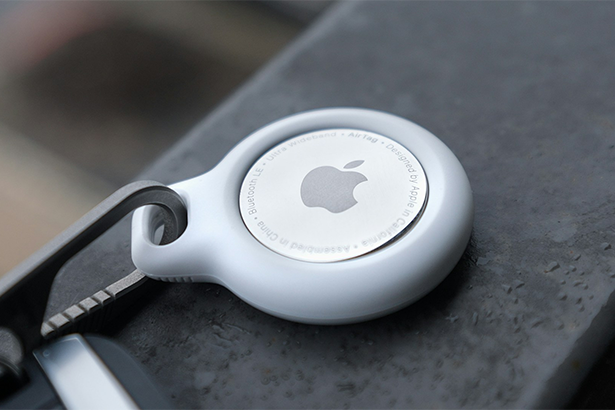
A luggage tracker like an Apple AirTag or a bluetooth Tile is one of the smartest things to bring on a plane — specifically for the bags you check. Slip a tracker into each checked bag before you hand it over at the counter. If your bag is delayed or misdirected, you can tell the airline agent exactly where it is. I personally purchased a pack of four AirTags and fly with one in each of my luggage pieces (personal item, carry-on, and checked bags). Fortunately, I have used the tracking feature to communicate the location of a lost checked bag to the officials at the Paris Orly airport. In short, having a tag or tile helps airline officials locate and return your property to you faster.
That said, the rest of the items on this list exist precisely because your checked bag might not arrive when you do. With your medications, documents, toiletries, and charger all in your personal item, you can handle a delayed bag without it derailing your trip.
A Note on Toiletries
Pack the minimum you need in a TSA-compliant clear bag. Liquids must be 3.4 ounces or less. Even if every other bag goes missing, having a toothbrush and a few basics in your personal item means you can freshen up and feel like yourself until your luggage arrives.
Reading Material
Long flights go faster with something good to read. A physical book, a loaded Kindle, or a few downloaded audiobooks all work well. Choose whatever helps you relax, disconnect from a device, and makes the miles disappear.
A Well-Packed Personal Item Changes the Trip
The goal of this list is not to stress you out before you travel – it is the opposite! When you pack your personal item thoughtfully, you board the plane knowing you have what you need. You feel settled, comfortable, and ready. That kind of calm confidence is the best way to start any trip.
At My Tailored Escape, we believe every part of travel should feel intentional and easy — including getting there. If you want support planning a trip where the details are handled and the experience is tailored to exactly what you need, we would love to hear from you.
Start your escape today.
What Travelers Are Asking: Flight Essentials FAQ
Flight essentials include your ID or passport, booking confirmations, medications, noise-cancelling headphones or earbuds, a portable charger or power bank, sanitizing wipes, a travel neck pillow, compression socks, and a pen. These items keep you comfortable, prepared, and protected from gate to destination.
For a long flight, prioritize comfort and preparedness. The best things to bring on a plane include noise-cancelling headphones, a travel blanket, a neck pillow, compression socks, hand lotion, lip balm, downloaded entertainment, snacks, a portable charger, and a good book or Kindle.
Sensitive electronics like laptops, tablets, and cameras should travel in your personal item bag whenever possible. Your personal item stays under the seat in front of you and never leaves your sight. Be sure to include all cables, adapters, and a power converter for international travel, and use a padded sleeve or pouch to protect your devices from shifting or impact during the flight.
For international travel, carry on essentials include your passport, an RFID-blocking wallet or passport holder, booking confirmations, local currency or a travel card, a power converter, any required medications, noise-cancelling headphones, sanitizing wipes, compression socks, and a pen for customs and arrival forms.
Public charging stations at airports carry a risk known as juice jacking, where tampered USB ports can access data on your device. To stay safe, bring your own portable charger or power bank so you are never dependent on public charging kiosks during your travels.
Always pack your medications, travel documents, a phone charger, a change of clothes if space allows, and basic toiletries in your personal item or carry-on bag. If your checked luggage is delayed or lost, having these essentials with you means your trip continues without a major disruption.
Compression socks are especially helpful on longer flights for anyone with circulation concerns. Sitting still for several hours can slow blood flow in the legs. Compression socks help regulate circulation, and pairing them with periodic stretching and short walks up the aisle makes a noticeable difference in how you feel when you land.